

Blog
How to Keep a Restaurant Kitchen Hygienic

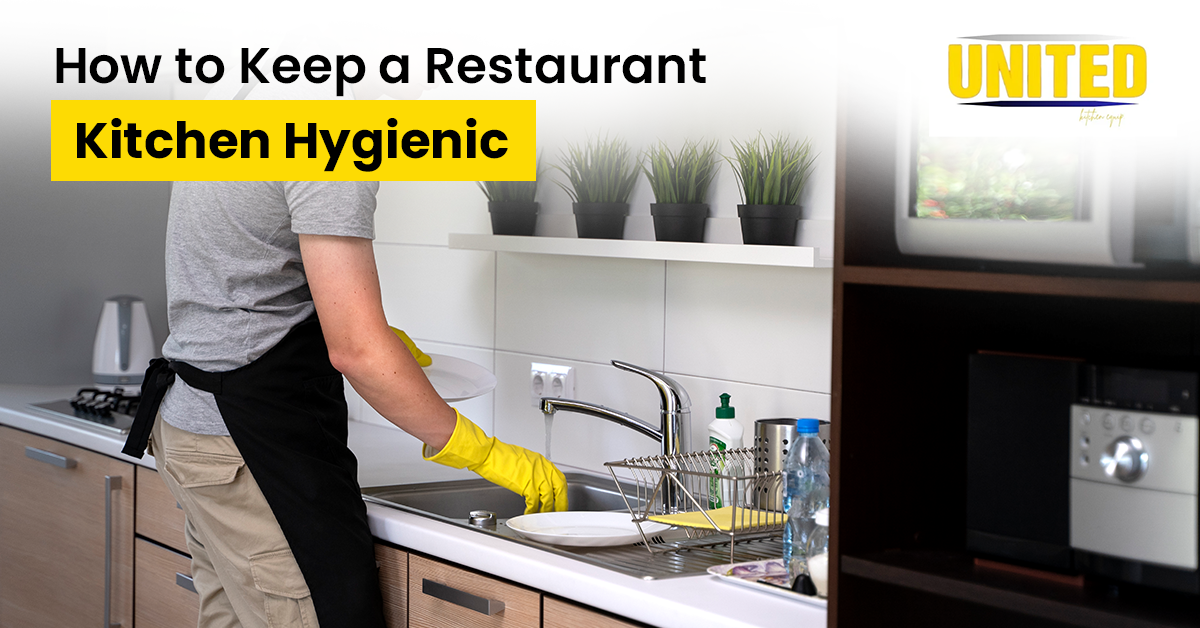
Step into a restaurant kitchen during lunch hours, and you’ll see how quickly things get messy. Someone’s frying food, another chef is chopping vegetables and the dirty plates keep coming back from the dining room. Oil pools down the stove, water splashes around the sink, food gets stuck around the counters.
This is normal in a busy kitchen. What matters is how quickly the staff deal with the mess. A clean kitchen isn’t something you achieve once a day. Everyone working there has to do their part, from the person washing dishes to the chef preparing the food.
How to Keep a Restaurant Kitchen Hygienic When the Kitchen Gets Busy
One of the biggest mistakes restaurant staff make is leaving the cleaning until the end of their shift. By then, grease has dried on the stove, food has stuck to the counters, and dirty utensils have piled up.
A better way is to clean while working. If you cut raw chicken, wash the board before using it again. If something spills, wipe it up before someone slips. And if a container looks dirty, don’t use it just because you’re in a hurry.
Here are a few kitchen areas that need regular attention.
Don’t Let Grease Build Up Around the Cooking Line
Anyone who has worked near a fryer knows how quickly grease spreads. It doesn’t stay inside the pan. You’ll find it on the stove, nearby walls, handles, and sometimes even the floor.
The Cooking Line needs cleaning throughout the day. Wipe up oil spills when the surfaces are safe to touch. Remove burnt food from grills and clean fryer baskets once they’ve cooled.
Before you shut down, see if someone can check behind the cooking equipment. These spots often get missed, especially when the kitchen is short-staffed.
Keep Raw Meat Away From Ready-to-Eat Food
Imagine a chef cutting chicken on a board and then using that same board to slice tomatoes for a salad. The tomatoes may look perfectly fine, but bacteria from the raw chicken could already be on them.
That’s why the Preparation Line needs separate boards, knives, and containers for different foods.
A few rules worth following:
- Never put cooked food on a plate that held raw meat.
- Wash knives and chopping boards between tasks.
- Keep raw chicken, fish, and meat away from salads.
- Wash hands after touching raw ingredients.
- Clean and sanitise worktables before preparing the next dish.
Don’t take shortcuts just because customers are waiting.
Check What’s Happening Inside the Cold Line
It’s easy to forget about food once it’s inside the refrigerator. But cold storage needs checking too.
The Cold Line is where staff store ingredients that go bad if they’re not stored correctly. Check the temperature with a thermometer, cover food containers, and mark them with dates.
Keep raw meat below cooked food so any leaking liquid cannot drip onto ready-to-eat items.
Don’t stuff the refrigerator with more food than it can handle. Cold air needs room to circulate.
Clean the Bakery Line Before Dough Dries
Bakers deal with flour, dough, eggs, butter, and cream every day. These ingredients can leave a surprising amount of mess behind.
Around the Bakery Line, flour collects under mixers, dough sticks to worktables, and crumbs fall between trays.
Wash mixing bowls and tools after use. Take the dough out of the machine attachments before it sets. Check the corners of baking tables and clean them before starting another batch.
Keep cream, milk, and other ingredients that need refrigeration properly chilled.
Don’t Ignore the Coffee Line
A coffee machine may look spotless from the front while old milk residue sits around the steam wand.
The Coffee Line needs regular attention, especially in cafés serving hundreds of drinks daily.
Wipe and purge steam wands after each useWash milk pitchers and empty drip trays. Clean grinder parts and coffee machine components according to the manufacturer’s instructions.
Also, check the counter beneath the machine. Spilled milk and sugar can make it sticky.
Keep Dirty Dishes Away From Clean Ones
During a dinner rush, plates can pile up faster than staff can wash them. That’s when the Washing Line needs proper organisation.
Keep used dishes on one side and clean dishes on another. Scrape leftover food into bins before washing plates.
Check that the dishwasher is running at the correct settings. Clean sinks, strainers, and racks after each shift.
Don’t place freshly washed plates on a dirty counter. It defeats the purpose of washing them.
The Bar Line Needs Cleaning Too
Bar counters collect more mess than people think. Fruit juice, syrup, coffee spills, and melting ice can leave surfaces sticky.
At the Bar Line clean all cocktail tools, blender jars, ice scoops and glasses after each use. Clean around bottle racks and underneath the counter.
Use a clean scoop for serving ice rather than picking it up by hand.
Check the bins regularly because fruit peels and drink waste shouldn’t sit around all day.
Check Built-In Appliances and Small Accessories
Not every kitchen has large, freestanding equipment. Some cafés and small restaurants use compact appliances similar to those found in a Built in Home kitchen setup.
These machines can leave narrow spaces where grease and crumbs gather. Check around fitted ovens, refrigerator seals, and cabinet edges.
Small kitchen Accessories deserve attention as well. Tongs, trays, ladles, storage boxes, and chopping boards all come into contact with food.
Replace cracked containers and deeply scratched boards that are difficult to clean properly.
Give Every Staff Member a Cleaning Job
Don’t leave all the cleaning to one person. Divide the work so everyone knows what they’re responsible for.
The chef using the grill should look after that station. The person preparing vegetables should clean the chopping area. Dishwashing staff should keep the washing section tidy.
Write down what needs cleaning each day, then check the work before closing.
For restaurant owners looking for commercial kitchen equipment, United UAE offers cooking, washing, bakery, refrigeration, and food preparation equipment for kitchens in Dubai, Sharjah, and other parts of the UAE.
Frequently Asked Questions
How do you keep a restaurant kitchen hygienic?
Wash hands, clean worktables, keep raw food separate, store ingredients correctly, and wash equipment after use.
How often should restaurant kitchens be cleaned?
Clean food-contact surfaces between tasks. Floors, sinks, and cooking areas also need daily attention.
What are the basic kitchen hygiene rules?
Wash hands, avoid cross-contamination, cook food properly, and keep perishable ingredients at safe temperatures.
How can you stop germs from spreading in a kitchen?
Use separate boards for raw food, wash utensils, and clean and sanitise surfaces after handling raw ingredients.
Why is cleaning commercial kitchen equipment important?
Food residue and grease can collect inside equipment. Regular cleaning helps prevent contamination and keeps machines working properly.