

Blog
Coffee Shop Equipment Checklist

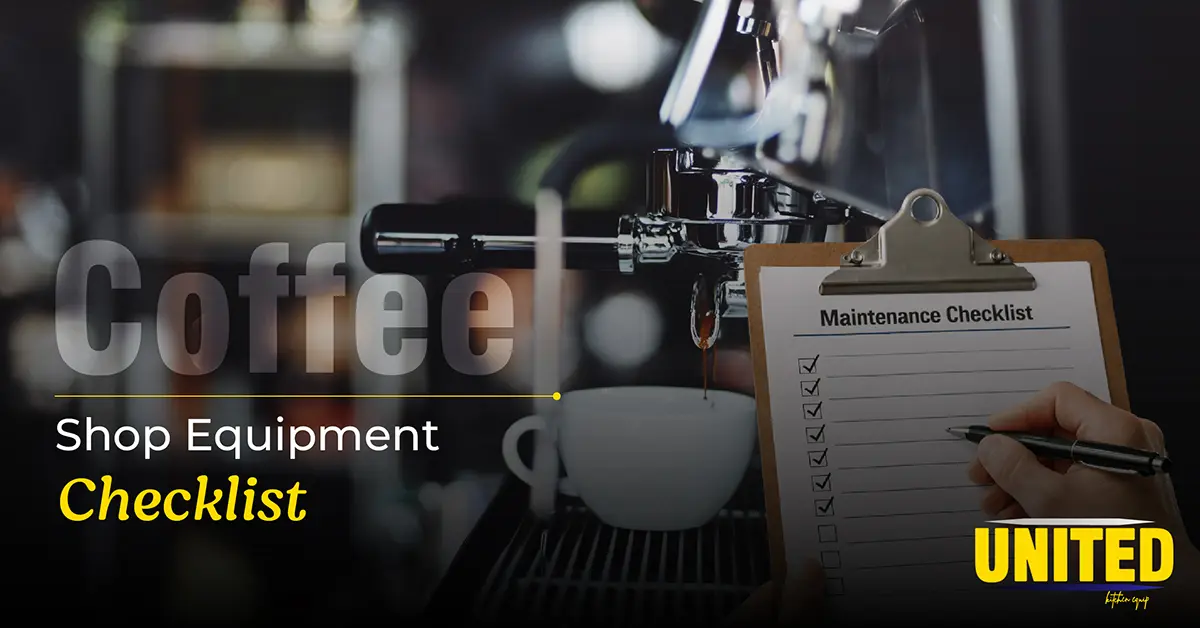
Opening a coffee shop sounds simple until you start listing everything needed behind the counter. An espresso machine alone will not run the business. You also need grinders, refrigerators, water filters, storage racks, washing equipment, serving items, and many smaller tools that staff use every few minutes. A proper Coffee Shop Equipment Checklist helps you work out what to buy first, what can wait, and how much space each item will need. Your final choice should depend on the menu, expected footfall, available kitchen space, and whether you plan to offer dine-in, takeaway, or delivery.
Begin with the Coffee-Making Area
The coffee counter is where most of the daily work happens. It should feel easy to use, not crowded. The espresso machine, grinders, milk fridge, knock box, and water supply should sit close together so the barista does not waste time moving from one side to another.
A commercial espresso machine is usually the most expensive item on the coffee shop equipment list. A small kiosk may manage with a single-group machine, but a busy café will usually need two groups. Before buying, check how quickly it heats, how much steam it produces, and whether a technician is available nearby when repairs are needed.
Coffee grinders matter just as much. Poor grinding can ruin good beans. Many coffee shops keep one grinder for their regular blend and another for decaf or single-origin coffee. A filter coffee brewer may also be useful if office workers and morning customers often order black coffee.
Barista Tools Used Throughout the Day
Small tools may not take up much space, but baristas depend on them for every order. These are the items that keep drink preparation accurate and tidy.
Useful coffee shop tools and equipment include:
- Milk pitchers in two or three sizes
- Coffee tampers
- Digital weighing scales
- Knock boxes
- Shot glasses
- Milk thermometers
- Syrup pumps
- Tea strainers
- Measuring spoons
- Cleaning brushes
Keep these items in fixed places. During a rush, even a few seconds spent searching for a pitcher or spoon can slow down the whole queue.
Refrigeration for Milk, Food, and Desserts
Most cafés need more than one cooling unit. Milk should stay close to the espresso machine, while cakes, sandwiches, juices, and other chilled products may need separate storage.
An undercounter fridge works well behind the coffee station. It keeps milk within reach without taking up much floor space. A display chiller is useful when you want customers to see pastries, desserts, cold drinks, or sandwiches before ordering.
A larger upright refrigerator may be needed for backup stock. Cafés serving frozen food, ice cream, or pre-prepared meals may also require a freezer.
When comparing suppliers such as the United UAE, look beyond the quoted price. Ask about delivery, installation, warranty, spare parts, service response, and electricity use. A cheaper refrigerator may cost more later if it uses too much power or breaks down often.
Equipment for a Café Food Menu
Not every coffee shop needs a full kitchen. The right choice depends on what you plan to serve.
A café offering toast, sandwiches, croissants, and ready-made cakes may only need:
- Panini grill
- Commercial toaster
- Microwave
- Small convection oven
- Stainless steel worktable
- Food preparation counter
- Heated display unit
A larger menu may require a food processor, fryer, cooking range, extractor hood, or larger oven. Do not buy these items simply because other cafés use them. First check whether they support dishes that customers will actually order.
For example, a panini grill makes sense in a café near offices, where customers want quick lunches. A high-capacity oven may be unnecessary if all baked products arrive ready to serve.
Water Filter and Ice Machine
Water affects both coffee flavour and machine life. Hard water can leave deposits inside the espresso machine. Over time, this may block pipes, reduce heating performance, and increase repair costs.
A suitable water filter helps reduce these problems. The filter should match the water quality and the amount your café uses each day. It is better to ask the supplier to check the water before recommending a system.
An ice machine becomes necessary when the menu includes iced coffee, cold brew, smoothies, milkshakes, or fresh juices. Choose one with enough daily output for the busiest period, not just an average day.
Cleaning Products and Coffee Shop Materials
Coffee shops get messy quickly. Milk spills, coffee grounds, syrup, food crumbs, and used cups need regular attention.
Your basic coffee shop materials should include:
- Espresso machine cleaning powder
- Grinder cleaning tablets
- Food-safe sanitiser
- Surface cleaner
- Dishwashing liquid
- Brushes
- Microfibre cloths
- Disposable gloves
Steam wands should be wiped after every drink. Milk pitchers need regular washing, and the espresso machine should be cleaned at the end of each shift. A written cleaning schedule helps staff remember what needs daily, weekly, and monthly attention.
Cafe Equipment List with Price Planning
A cafe equipment list with price is useful, but the lowest quote is not always the best choice.
| Item | Need Level | What Changes the Price |
|---|---|---|
| Espresso machine | Essential | Size, brand, group heads |
| Coffee grinder | Essential | Burr type and output |
| Refrigerator | Essential | Capacity and power use |
| Water filter | Essential | Filtration level |
| Ice machine | Menu-based | Daily ice production |
| Blender | Menu-based | Motor strength |
| Display chiller | Useful | Size and temperature control |
| Dishwasher | Useful | Speed and basket capacity |
Also include installation, maintenance, electrical work, plumbing, and delivery in your budget. These costs are often missed during early planning.
Storage, Billing, and Serving Items
A good POS system helps staff take orders, accept payments, manage discounts, and review daily sales. You may need a touchscreen terminal, card machine, receipt printer, cash drawer, and kitchen printer.
Storage shelves, sealed containers, cup holders, trays, takeaway boxes, napkins, cutlery, cups, saucers, and lids should also appear on your checklist. Keep dry ingredients away from cleaning chemicals and label every container clearly.
Conclusion
A useful Coffee Shop Equipment Checklist should reflect the way your café will actually operate. Start with the espresso machine, grinders, refrigeration, water filter, and daily barista tools. Add food equipment only when it supports the menu. Plan storage, cleaning, and billing with the same care as the coffee counter. When the layout and equipment suit the workload, staff can move faster, drinks stay consistent, and customers spend less time waiting.
Frequently Asked Questions
What equipment does a small coffee shop need?
It usually needs an espresso machine, grinder, fridge, water filter, barista tools, cleaning supplies, storage, and a POS system.
Is one coffee grinder enough?
It may be enough for a small menu. Separate grinders help when serving decaf or different coffee blends.
Why does a café need a water filter?
It improves the taste of coffee and reduces mineral buildup inside the espresso machine.
Do all cafés need an ice machine?
No. It is mainly needed when the menu includes iced coffee, juices, smoothies, or cold drinks.
Should I buy used coffee shop equipment?
Used equipment can save money, but check its age, condition, repair history, and available spare parts before buying.

About Admin
UNITED CATERING KITCHEN EQUIPMENT. Used & New Commercial Kitchen Equip. Restaurants & Hotels & coffee shops , Bakeries .
View all posts by Admin