





Blog
Commercial Kitchen Equipment List for Restaurants

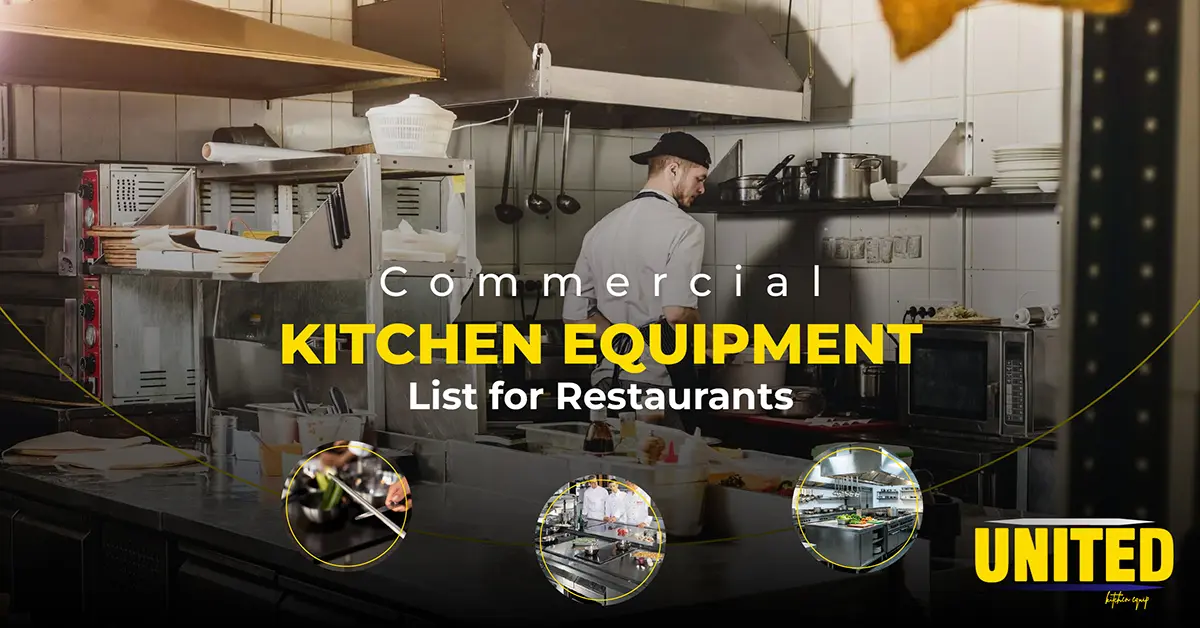
A restaurant kitchen can only work well when the right equipment is in the right place. Chefs need reliable cooking machines, proper cold storage, enough preparation space, and a clean washing area. Without these basics, even a good menu can become difficult to manage during busy hours.
A proper Commercial Kitchen Equipment List for Restaurants helps owners plan the kitchen according to the menu, available space, expected order volume, and budget. The goal is not to fill the kitchen with too many machines. The goal is to choose useful equipment that supports daily work and helps the team serve food on time.
Plan the Restaurant Kitchen Around the Menu
The menu should come first when preparing a restaurant kitchen equipment list. Every restaurant has different needs. A burger outlet may need a griddle, fryer, freezer, and food warmer. A bakery may require deck ovens, dough mixers, proofing cabinets, and cooling racks. An Indian restaurant may need a heavy-duty gas range, tandoor, stock pot burner, rice cooker, and proper kitchen ventilation.
Before buying equipment, restaurant owners should check a few basic points:
- Type of food served
- Number of daily orders
- Available kitchen space
- Gas, electricity, and water supply
- Storage and washing requirements
This simple planning prevents unnecessary spending and makes the restaurant kitchen setup easier to manage.
Commercial Cooking Equipment for Restaurants
Cooking machines form the main section of any commercial kitchen equipment list. The equipment should match the cooking process and the number of dishes prepared during peak hours.
Common commercial cooking equipment includes gas ranges, electric ranges, deep fryers, griddles, charbroilers, convection ovens, combination ovens, salamander grills, rice cookers, pasta cookers, and commercial microwaves.
For example, a small café may only need a compact oven, sandwich griller, toaster, and microwave. A busy restaurant may need a six-burner range, double fryer, griddle, and combination oven.
Equipment size also matters. Oversized machines can use more gas or electricity than required. Smaller machines may slow down service when order volume increases. Owners should choose equipment that matches current needs while leaving some room for business growth.
Commercial Refrigeration Equipment
Fresh food needs safe and steady temperature control. Meat, seafood, dairy products, vegetables, sauces, and prepared dishes can spoil quickly without proper refrigeration.
A standard restaurant refrigeration equipment setup may include:
- Upright commercial refrigerator
- Upright commercial freezer
- Undercounter chiller
- Chest freezer
- Refrigerated preparation counter
- Ice machine
Larger restaurants, hotels, and catering kitchens may also need a walk-in chiller or walk-in freezer.
Before buying commercial refrigeration equipment, check the storage capacity, temperature range, shelf strength, door seals, power consumption, and local repair support. A low-cost refrigerator may appear attractive, but frequent breakdowns and high electricity use can increase expenses later.
Food Preparation Equipment
Food preparation takes up a large part of the kitchen day. Cutting vegetables, slicing meat, kneading dough, blending sauces, and mixing ingredients by hand can slow down service.
Useful commercial food preparation equipment includes food processors, vegetable cutters, meat mincers, meat slicers, commercial blenders, planetary mixers, dough kneaders, and potato peelers.
Stainless steel work tables and preparation sinks are equally important. They provide a clean surface where staff can cut, mix, arrange, and portion ingredients.
Restaurants should keep raw meat, seafood, vegetables, and cooked food in separate preparation areas. This lowers the risk of cross-contamination and makes daily cleaning easier.
Small Restaurant Equipment List
A new or compact restaurant does not need large industrial machines from the beginning. The small restaurant equipment list should focus on the items used every day.
A practical setup may include a four-burner range, single fryer, upright refrigerator, chest freezer, stainless steel work table, food processor, preparation sink, commercial dishwasher, storage shelves, and exhaust hood.
Compact commercial kitchen appliances work well in smaller spaces. Multi-use machines can also save room. For instance, a combination oven can roast, bake, steam, and reheat food in one unit.
Washing and Cleaning Equipment
A clean kitchen depends on a well-planned washing section. Plates, utensils, pans, chopping boards, and cooking tools need regular cleaning throughout the day.
Most restaurants need a commercial dishwasher, pot wash sink, hand wash basin, pre-rinse spray unit, grease trap, floor drain, and covered waste bins.
The washing section should remain away from food preparation areas. Dirty dishes and waste should not pass through clean cooking zones. Hand wash basins should also remain easy to reach from the cooking and preparation sections.
Stainless Steel Kitchen Equipment and Storage
Restaurants commonly use stainless steel kitchen equipment because it handles moisture, heat, and frequent cleaning. It also lasts longer and gives the kitchen a clean working surface.
Common stainless steel items include work tables, sinks, wall shelves, storage cabinets, preparation counters, dish landing tables, and kitchen trolleys.
Custom fabrication helps owners use corners, walls, and narrow spaces more effectively. United UAE provides commercial kitchen equipment, kitchen planning, stainless steel fabrication, and installation support for restaurants, hotels, cafés, cloud kitchens, and catering businesses.
Restaurant Kitchen Equipment List With Price
Many buyers search for a restaurant kitchen equipment list with price, but there is no fixed rate for every setup. Prices depend on equipment size, capacity, brand, steel quality, power rating, and installation work.
A compact commercial refrigerator will cost less than a large cold room. A basic convection oven will usually cost less than a combination oven. Custom stainless steel counters also vary in price because every kitchen has different measurements.
Before buying, compare:
- Product warranty
- Spare parts availability
- Energy use
- Repair support
- Cleaning needs
- Expected working life
Choosing equipment only on the basis of the lowest price can lead to more repair costs and service delays.
Hotel Kitchen Equipment List
A hotel kitchen equipment list is usually larger because hotels manage breakfast, room service, buffets, banquets, bakery production, and staff meals.
Hotel kitchens may need heavy-duty cooking ranges, combination ovens, bakery ovens, walk-in chillers, walk-in freezers, dough mixers, hot holding cabinets, plate warmers, banquet trolleys, and conveyor dishwashers.
They also need separate areas for meat preparation, vegetable washing, bakery work, cold food, cooking, storage, washing, and waste handling.
Frequently Asked Questions
What equipment is needed in a restaurant kitchen?
Most restaurants need cooking equipment, refrigeration, preparation tables, sinks, storage racks, ventilation, and dishwashing equipment.
What should a small restaurant buy first?
A small restaurant should begin with a cooking range, refrigerator, freezer, work table, sink, dishwasher, and menu-related machines.
How do I prepare a commercial kitchen equipment list?
Start with the menu, kitchen size, expected orders, storage needs, utility connections, and cooking process.
How much does restaurant kitchen equipment cost?
The cost depends on equipment size, brand, capacity, material quality, energy use, and installation work.
Why is stainless steel used in commercial kitchens?
Stainless steel is strong, easy to clean, and suitable for regular food preparation and storage work.

About Admin
UNITED CATERING KITCHEN EQUIPMENT. Used & New Commercial Kitchen Equip. Restaurants & Hotels & coffee shops , Bakeries .
View all posts by Admin