









 4,950Current price is: 4,950.
 2,500Current price is: 2,500.
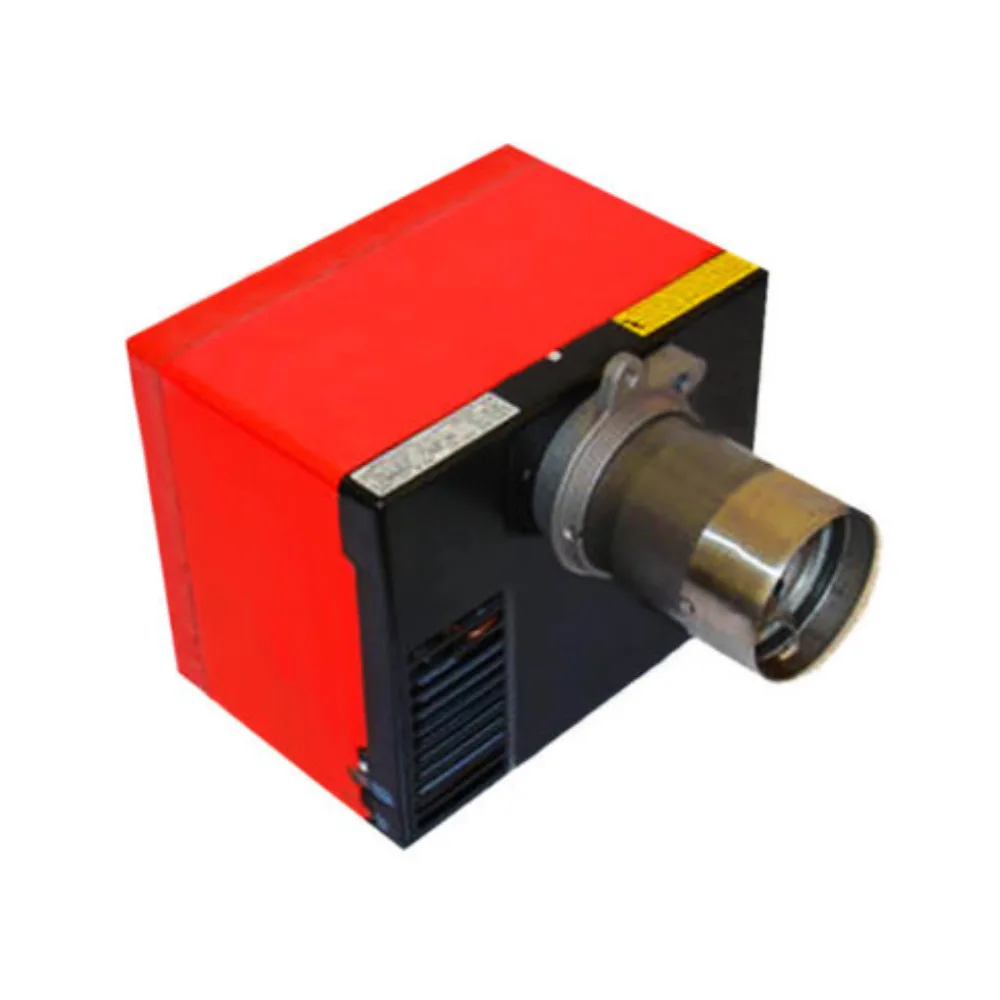

Diesel Burner – RL-FS8
Original price was: 8,800.5,900Current price is: 5,900. * VAT will be applied at checkout
- standard 220–240V single-phase electrical supply at 50/60Hz
- high-pressure gear pump forces diesel fuel through a precision-engineered nozzle tip
- advanced microprocessor safety control box linked directly to an internal photocell flame sensor.
- dampening air turbulence noise effectively.
- Model: RL-FS8
Description
Manufactured to premium European industrial thermal engineering standards, the High-Efficiency Industrial Monoblock Diesel Oil Burner is built for unrelenting, continuous commercial and industrial heating applications. This high-torque, heavy-duty combustion system is meticulously designed to handle the rigorous everyday workloads of active commercial bakery ovens, industrial manufacturing kilns, central catering boilers, garment dyeing machines, and food production furnaces looking to maintain a stable, uniform thermal profile across intensive multi-batch shifts without suffering mechanical drop-offs. It represents a reliable solution within the UCE Kitchen Equipment range for demanding professional heating environments.
Delivering outstanding thermal delivery and clean-burning combustion, the burner operates on a standard single-phase electrical connection (with three-phase options available depending on custom facility requirements) driving a continuous-duty ventilated induction motor. The system utilizes an advanced high-pressure gears pump assembly integrated with a precision-machined pressure regulator and an inline fuel filtering matrix to remove fuel impurities seamlessly. This fuel-supply configuration drives an optimized combustion head fitted with a corrosion-resistant, high-temperature stainless steel end cone and precise ignition electrodes. This setup atomizes liquid diesel fuel into a fine, ultra-consistent mist, driving rapid heat-up cycles and excellent flame stability across a highly energy-dense firing range.
Designed with a compact, monoblock structural footprint, the unit minimizes installation space and can be mounted directly onto standard boiler or furnace flange systems. The advanced architecture incorporates an automated air damper control mechanism linked to an internal blower fan, maintaining the absolute correct fuel-to-air ratio for complete, low-emission combustion. The burner frame is lined with heavy-duty sound-proofing material inside the air suction circuit to minimize high-velocity mechanical harmonics, ensuring quiet front-line operation in tight back-of-house manufacturing zones or prep spaces. This efficient heating solution is an essential component of modern commercial Kitchen Equipment systems requiring reliable thermal performance.
Built for heavy multi-batch daily runtime, this dependable industrial platform ensures outstanding structural longevity and high asset protection. The entire process is managed by an intelligent microprocessor-based safety control box featuring automated system status diagnostics and real-time failure tracking. Outfitted with a premium photocell for instant flame detection and a fast-acting automatic fuel solenoid cutoff system that stops fuel delivery instantly if the pilot flame is interrupted, it effectively eliminates back-of-house utility bottlenecks, lowers general emissions, and empowers commercial operations to scale intensive high-yield thermal production lines with absolute confidence. Compatible Accessories further enhance operational flexibility, safety, and overall system performance.
1. What primary electrical power and utility utilities does this diesel burner require? A: This industrial-grade diesel burner operates on a standard 220–240V single-phase electrical supply at 50/60Hz to power its high-efficiency internal fan motor, ignition transformer, and control box circuitry. It requires a dedicated connection to your commercial facility's liquid diesel line, supported by external inline pre-filters to ensure clear fuel delivery.
2. How does the pressure atomization nozzle system improve fuel efficiency and heat yield? A: Instead of letting liquid fuel pool or burn unevenly, the burner’s high-pressure gear pump forces diesel fuel through a precision-engineered nozzle tip. This action completely atomizes the liquid into microscopic droplets, vastly expanding the surface area of the fuel, which mixes evenly with incoming air from the blower to achieve a clean, high-intensity flame with absolute fuel economy.
3. What specific safety mechanisms are integrated to protect operators and prevent fuel flooding? A: The burner is engineered with an advanced microprocessor safety control box linked directly to an internal photocell flame sensor. If the sensor detects a flame cutout or an unignited pilot during a runtime cycle, the safety circuit trips instantly—closing the electronic fuel solenoid valve in a fraction of a second to prevent unburned fuel from flooding the combustion chamber.
4. Can this burner be used for high-capacity bakery ovens or central steam boilers? A: Yes, absolutely. This heavy-duty monoblock series is specifically designed for versatile integration across multiple high-demand applications, including rotary bakery ovens, high-capacity steam or hot-water boilers, diathermic oil heating systems, and industrial incinerator or drying kilns requiring constant, intensive thermal thresholds.
5. How does the special housing design minimize high-volume fan noise on the line? A: Industrial blowers can produce high-decibel air-rushing sounds that disrupt the workspace. To combat this, the unit features an air suction circuit fully lined with dense, high-grade sound-proofing insulation, combined with a reverse-curve blade fan configuration that balances internal static pressure, dampening air turbulence noise effectively.
6. What is the recommended technical maintenance routine to maximize the burner’s lifecycle? A: To prevent component fatigue and maintain low emissions, it is highly recommended to clean the removable mesh fuel pump filter and wipe down the photocell glass weekly. The combustion head and atomization nozzle should be inspected monthly for carbon scaling, and your facility's external inline fuel lines should be purged regularly to remove water condensation and sediment.
You must be logged in to post a review.
Related products

MICROWAVE MENUMASTER COMMERCIAL OVEN
Original price was: 2,500.2,190Current price is: 2,190.
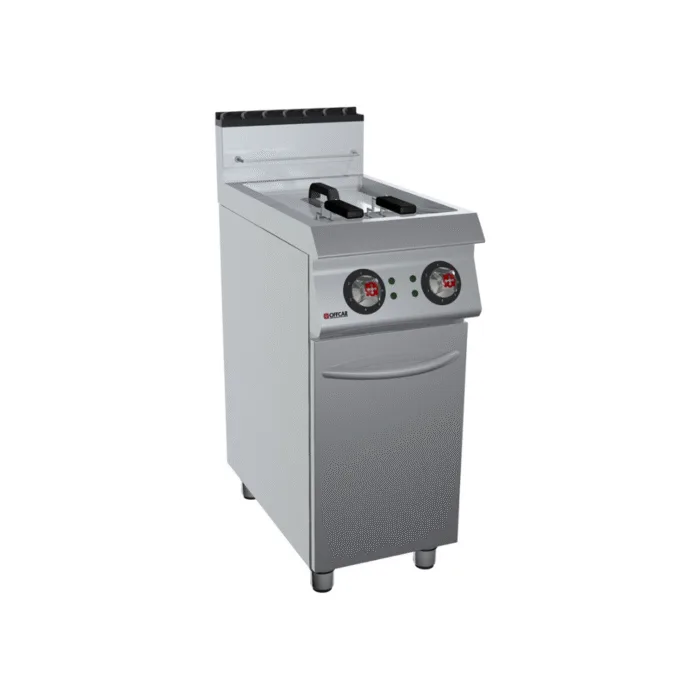
Offcar Electric Operated 2 Tank Fryer 400 x 730 x 900mm OF-7FRE16
Original price was: 12,000.8,999Current price is: 8,999.

AUTOMATIC BOTTLE SEALING MACHINE
Original price was: 3,900.3,150Current price is: 3,150.
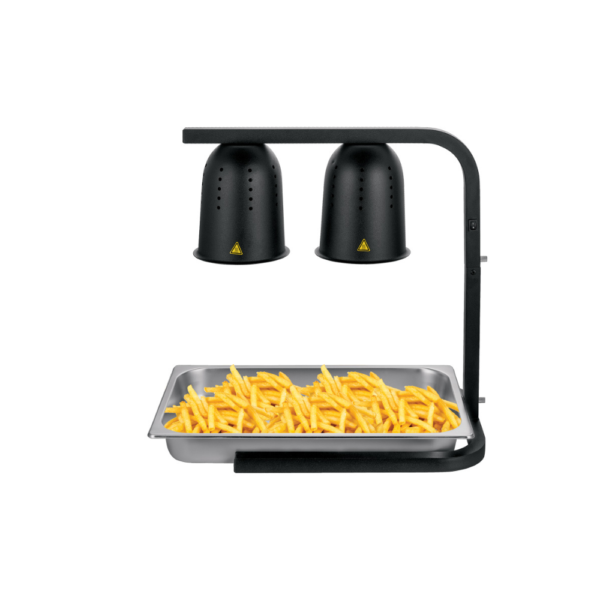
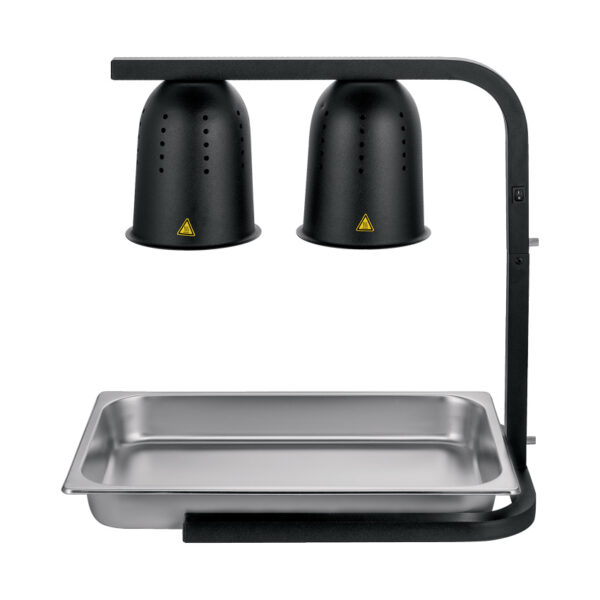
CHIPS WARMER – Skipio
Original price was: 625.505Current price is: 505.
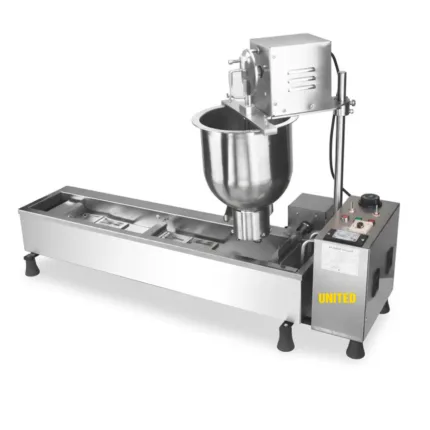
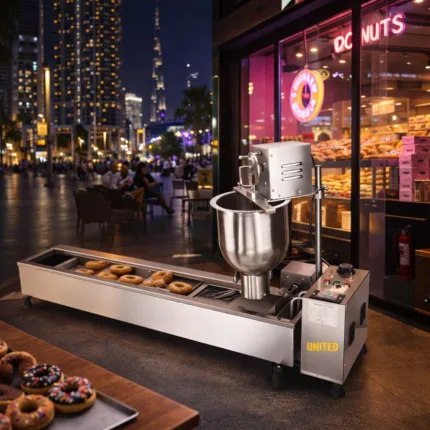
DONUT MACHINE SINGLE ROW – 500PCS/HR
Original price was: 5,800.5,045Current price is: 5,045.
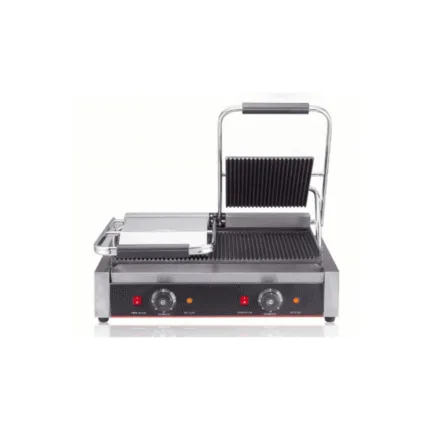
STAINLESS STEEL HEAVY DUTY ELECTRIC OPERATED CONTACT GRILL 570 x 362 x 210 mm
Original price was: 1,100.849Current price is: 849.
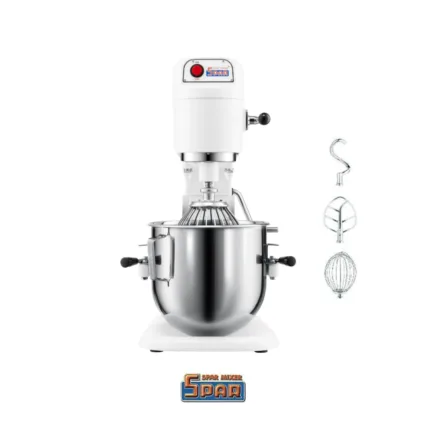
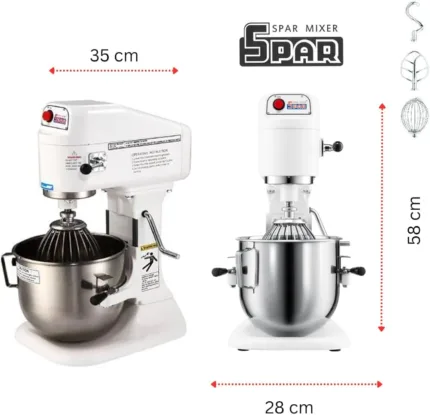
Spar 8 L qtz Table-Top Planetary Mixer 2024 – White (SP-800)
Original price was: 4,500.3,650Current price is: 3,650.














































































Reviews
There are no reviews yet.